We often think of student self reflection as something reserved for English essays or end-of-year surveys. But reflection is one of the most powerful tools we have for helping students think deeply about their learning especially in math.
When students take time to pause and reflect, they start to see math not as a set of steps to memorize, but as a process of reasoning and problem-solving.
As math teachers, it’s easy to focus so much on getting students to the right answer that we forget to pause and let them think about how they got there. Reflection helps students slow down, analyze their process, and recognize their own growth. These skills turn passive learners into active problem solvers.
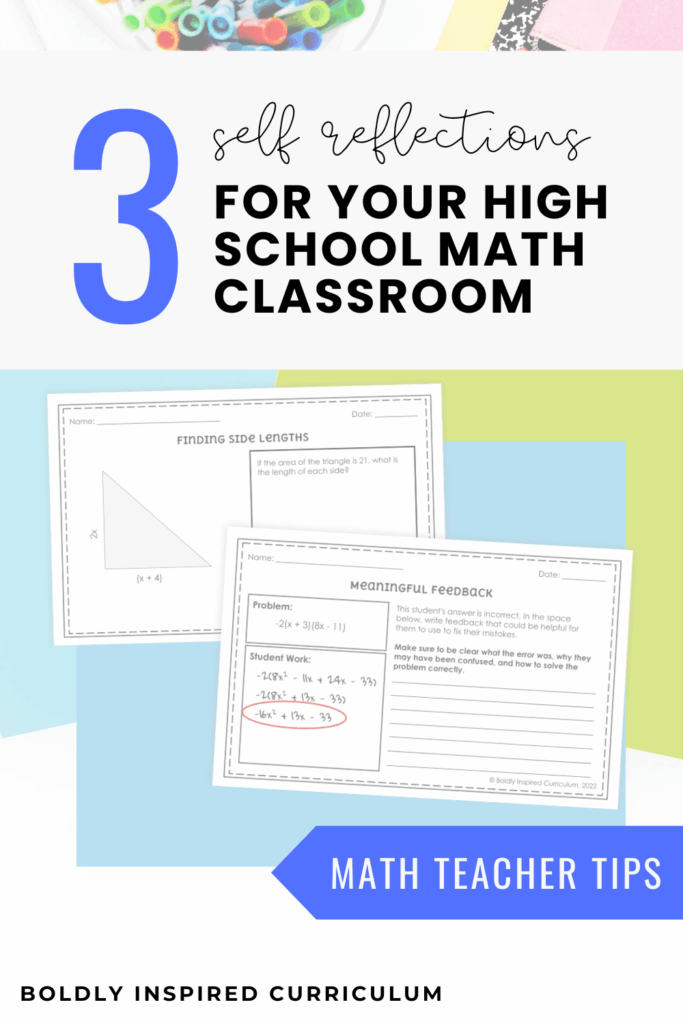
Table of Contents
ToggleWhat Does Student Self Reflection in Math Look Like?
Student self reflection in math isn’t just about students writing how they “felt” about a lesson. They should be analyzing the strategies they used, evaluating what worked (and what didn’t), and connecting their understanding to broader mathematical ideas.
For example, after solving a challenging word problem, you might ask students, “What strategy did you use first?” or “If you could redo this problem, what would you change?”
These questions push students beyond memorization and into true comprehension. Reflection helps them identify their strengths, pinpoint misconceptions, and develop perseverance when faced with difficult problems.
Why Your Students Need to Be Reflecting on Their Learning
When students reflect on their learning, they start to understand the process as much as the product. Reflection also improves retention and transfer. They’re more likely to remember a concept later when they think about what they learned and how they applied it. It’s one of the most powerful (and often underused) ways to help knowledge stick.
For teachers, student self reflections are a goldmine of insight. You can see how your students are thinking, where they’re getting stuck, and what strategies they rely on most. This information allows you to adjust your lesson planning, so you can support your students in different ways.
Reflection also gives students a sense of ownership over their learning. Instead of feeling like math is something that happens to them, reflection helps them see it as something they do. That subtle shift can make all the difference in engagement and motivation.
Types of Math Reflection
There are many ways to incorporate reflection into your math lessons, and each serves a different purpose depending on what you want students to focus on.
Written
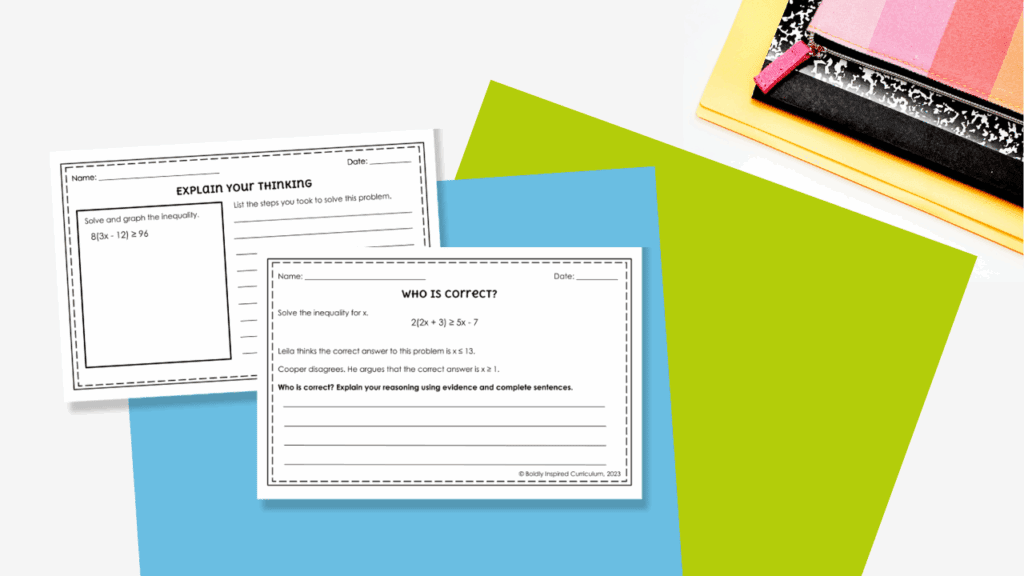
Written reflections are one of the most common approaches. These can look like journal prompts, quick exit tickets, or open-ended questions about the lesson.
For example, you might ask students to explain a mistake they made and how they corrected it, or describe a strategy they found most helpful. Writing about math encourages deeper thinking and strengthens communication skills.
Verbal
Verbal reflections work well during whole-group discussions or partner talks. Having students explain their reasoning out loud helps them solidify understanding and exposes them to different problem-solving methods. This approach also builds classroom community and normalizes talking about math thinking.
Developing Life Skills Through Reflection
One of the biggest benefits of student self reflection is their development of a growth mindset. When students practice reflection regularly, they start to recognize that mistakes aren’t failures but rather opportunities to learn.
The goal as teachers is to help our students build resilience and reduce math anxiety, creating a classroom environment for taking risks and trying new approaches.
For teachers, student reflection can improve classroom discussions. When students are used to thinking about their own learning, they contribute more thoughtful insights and questions. You’ll notice that your math discussions shift from “What’s the answer?” to “Why does that work?”
At the end of the day, reflecting helps students become great critical thinkers and communicators. When students can clearly explain their reasoning and back up their choices, it shows they really get it, not just that they can follow steps. Reflection builds thinkers, not just problem solvers.
Ways to Incorporate Student Self Reflection into Math Class
Exit Tickets
Instead of asking students to solve one more problem, ask:
- “What mistake did you make today, and how did you fix it?”
- “What concept do you understand better now than you did yesterday?”
These quick prompts take less than five minutes but create meaningful thinking moments.
Math Journals
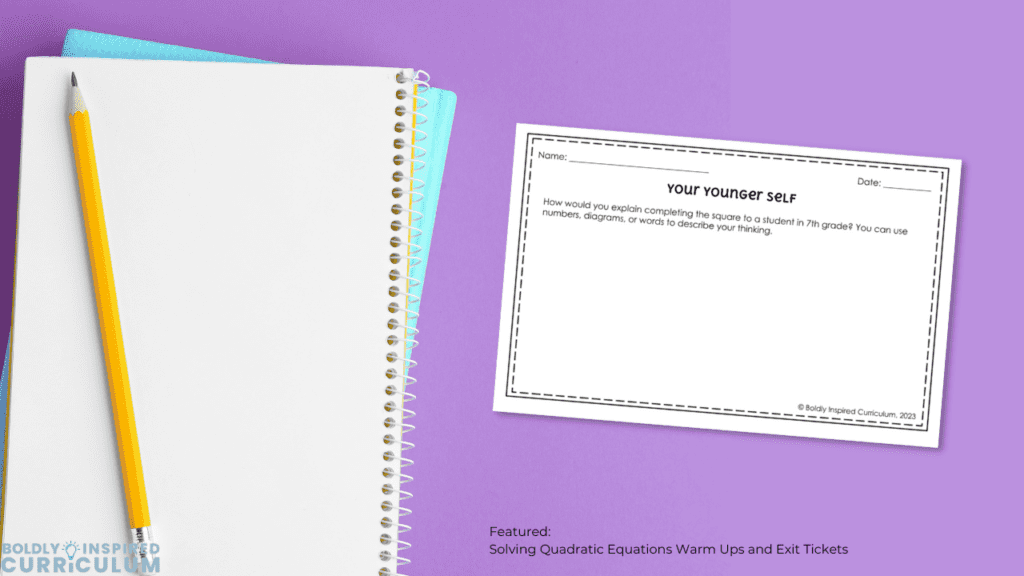
Math journals give students space to explain their reasoning, document problem-solving strategies, and set goals. You can use them weekly or at the end of each unit.
Encourage students to write about:
- How they approached a challenging problem
- What strategies worked best
- What they would do differently next time
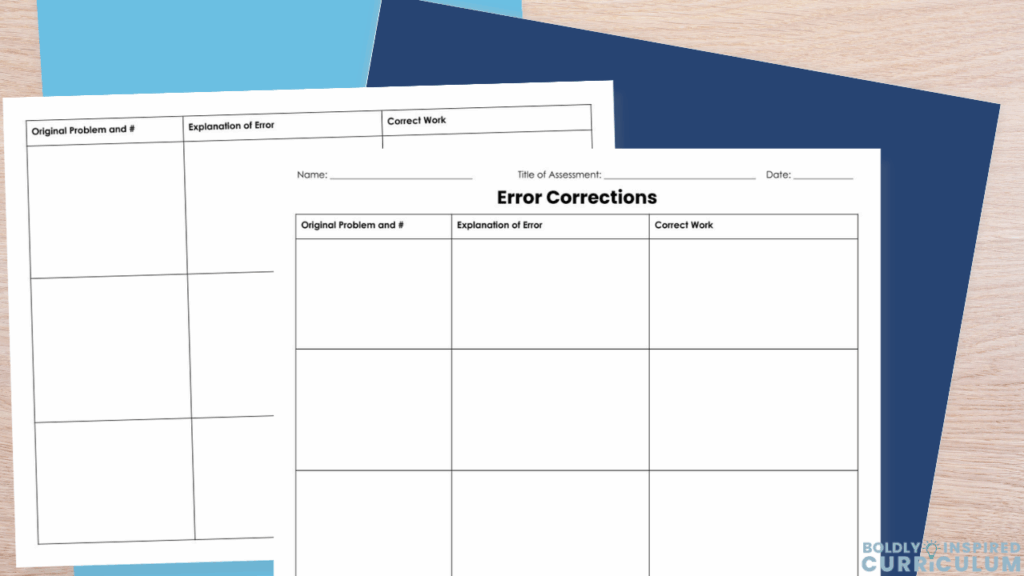
Test Corrections & Error Analysis
After an assessment, have students analyze mistakes rather than just fixing them. Ask:
- “What did this question ask for?”
- “Which step caused the error?”
- “What could I do next time to avoid it?”
This transforms tests from a final judgment into a learning opportunity.
Final thoughts about student reflection in math class
Reflection turns “doing math” into understanding math. It gives students the confidence to talk about their learning, learn from mistakes, and see themselves as capable problem solvers.
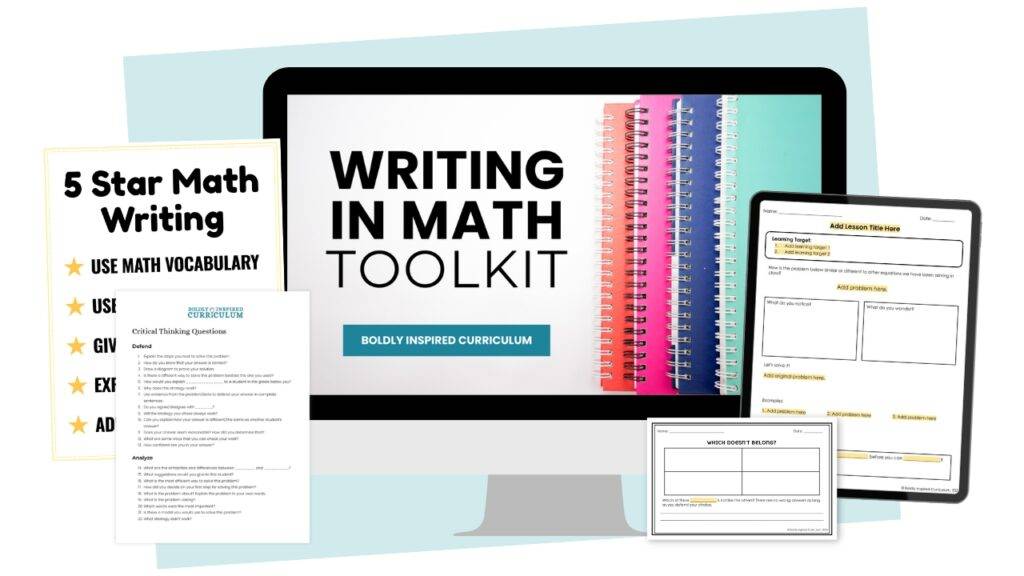
Want to help your students reflect with purpose? Explore my Writing in Math Toolkit, which includes templates and strategies to help students think deeply and communicate clearly about math — no extra prep required.