Understanding math vocabulary is one of the biggest barriers between knowing the math and showing the math. Students can often solve equations or recognize patterns, but if they don’t know what words like evaluate, simplify, or expression mean, they can get stuck before they even start.
Teaching math vocabulary effectively isn’t about memorizing definitions. It’s about building math literacy by helping students see how the language of math connects to the concepts they’re learning. Let’s look at a few ways you can make math vocabulary meaningful, memorable, and low-prep for your classroom.
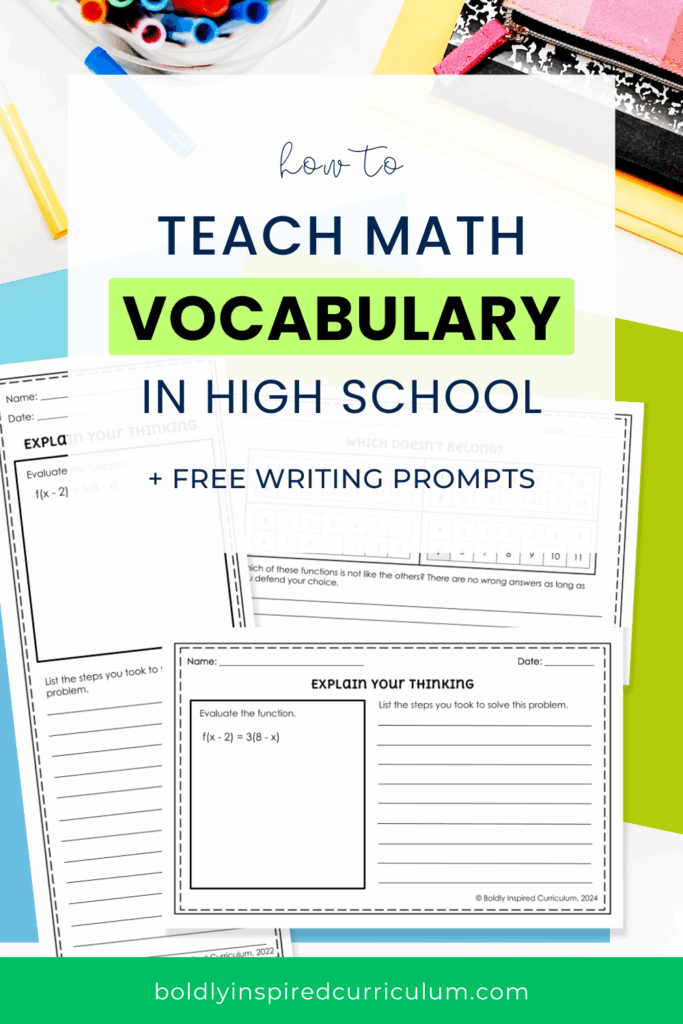
Table of Contents
ToggleWhy Math Vocabulary Matters
Math is a language of its own, and fluency in that language is essential for understanding new topics. When students know how to interpret terms and symbols, they can focus on reasoning instead of decoding.
A student who understands key words can read a problem independently and know exactly what’s being asked. A student who doesn’t might freeze or skip it entirely. By building math literacy intentionally, you’re not just helping students with one unit. You’re giving them a foundation that supports learning in every future math course.
Introduce Vocabulary in Context
The most effective math vocabulary lessons happen within the learning process, not before it. Instead of handing out a list of terms, introduce vocabulary words as students encounter them in problems or examples.
For example, when introducing slope, don’t start with the definition. Start with a graph and ask students to describe what they notice. Then, once they’ve explored the concept, connect their language to the correct terminology.
This approach helps students attach meaning to the words naturally. They remember the term slope because they’ve seen it and used it, not because they copied a definition.
Reinforce Math Vocabulary Visually
Visual reminders help vocabulary stick especially for visual learners. A math word wall is a simple yet powerful way to keep key terms visible throughout the year.
You can organize your wall by unit (like linear equations, inequalities, or exponents) or by concept (like operations, functions, geometry). The key is consistency, so refer to the wall often and encourage students to use it as a reference during independent work.
If you’re short on time, these printable math vocabulary posters make setup easy. They double as classroom decor and learning tools. Each poster includes the definition, an example, and a visual cue to support comprehension. You can hang them in your classroom or print smaller versions to use in math notebooks for individual reference.

Connect Vocabulary to Writing in Math
Writing in math class is one of the most effective ways to deepen understanding. When students explain their thinking in words, they internalize vocabulary naturally.
Ask your students to:
- Write short reflections on how they solved a problem.
- Compare two similar terms, like equation vs. expression.
- Create their own example problems that use target vocabulary correctly.
These writing-based activities go hand in hand with math literacy by encouraging students to think critically and communicate precisely.
Make Vocabulary Interactive
Students retain more when they can do something with new vocabulary. Instead of relying on traditional note-taking, try interactive activities that require students to manipulate and discuss terms.
Some of my favorite math vocabulary activities include:
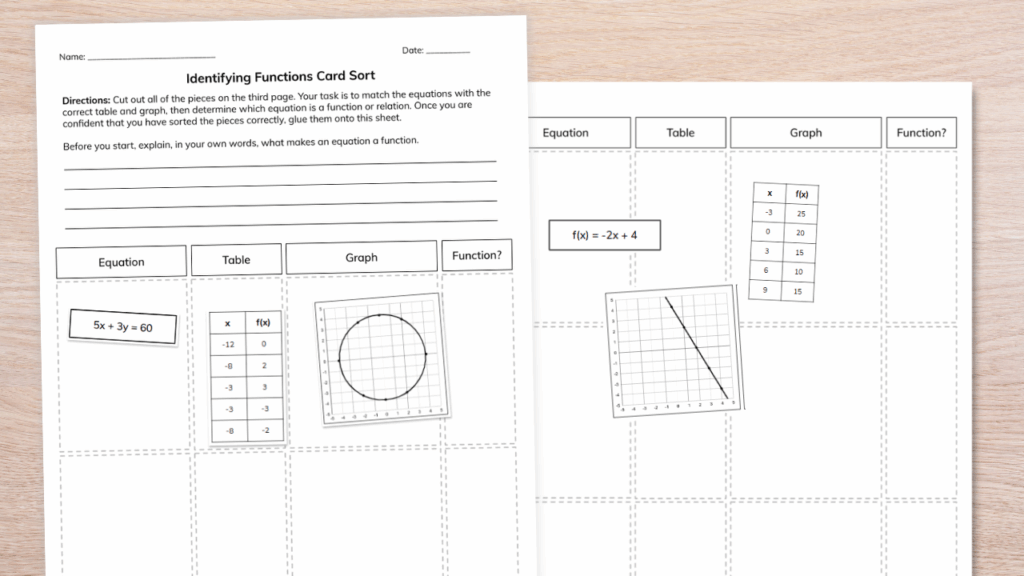
- Matching card sorts: Have students match terms to definitions or examples.
- Gallery walks: Display key terms around the room and let students circulate, jotting down examples of each.
- Collaborative word mapping: Create concept maps linking related terms.
Encourage Ongoing Review
Math vocabulary builds over time, and regular review ensures students don’t lose what they’ve learned. The goal is to make vocabulary practice routine, not an isolated event that happens once per unit.
You can dedicate a few minutes each week to quick games like vocabulary bingo, a “word of the day” warm-up, or quick partner quizzes. Another idea is to integrate vocabulary review into your bell ringers or exit tickets. For example, asking students to use a term in a sentence or identify which term applies to a given problem.
Final Thoughts About Encouraging Math Literacy All Year Round
Building math literacy takes consistency and intentionality. By weaving vocabulary into your daily lessons, visuals, and written reflections, you’re helping students develop a deeper, more confident understanding of math.
Small shifts like displaying a word wall, asking students to write about their process, or encouraging vocabulary use during discussions can make a lasting difference in comprehension and confidence.
If you’re looking for ready-to-use visuals to get started, check out my math vocabulary posters. They’re a print-and-go way to create an engaging math word wall that supports every learner and they look great in any classroom!